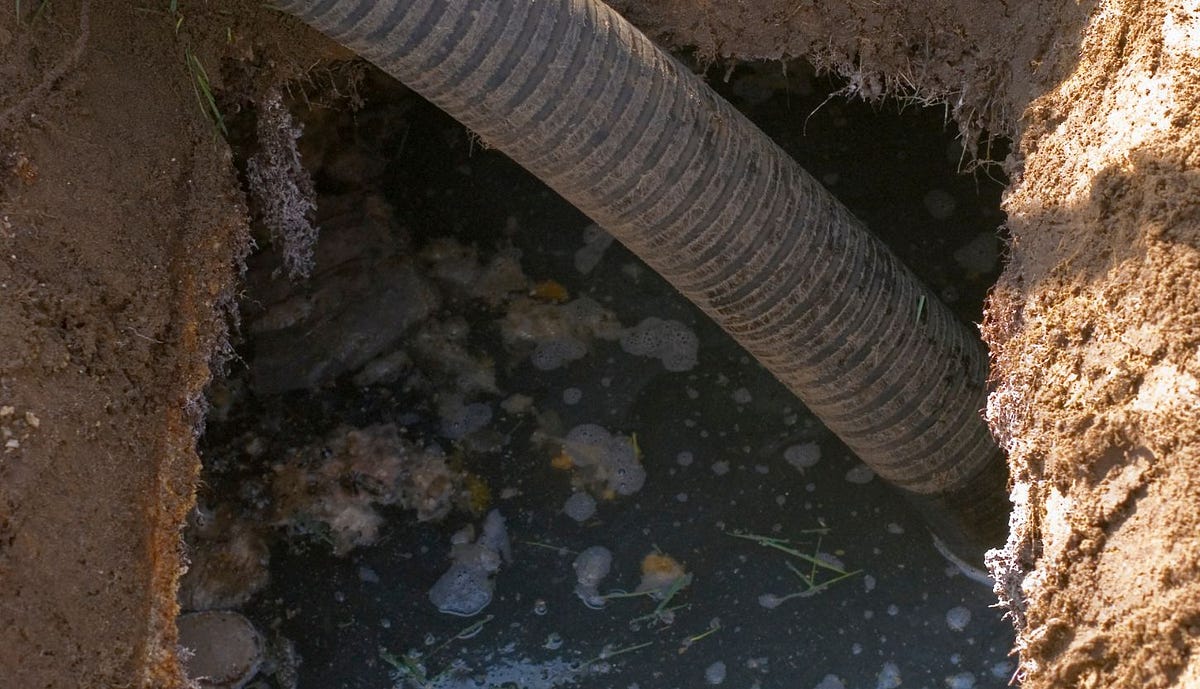
The Causes of Septic Tank Odor in New Systems and How to Fix Them
A new septic system is supposed to be a clean and odor-free addition to your property. But sometimes, even brand-new systems can emit unpleasant odors, leaving you wondering what went wrong. Don't worry, septic tank odors in new systems are often a result of common issues that can be resolved with the right steps. This guide will delve into the common culprits behind these unwanted smells, and equip you with practical solutions to restore the fresh air to your home.
Common Causes of Septic Tank Odor in New Systems
While a new septic system should be odor-free, there are a few common reasons why this might not be the case. Understanding these causes is the first step towards tackling the problem effectively.
1. Improper Installation:
A common culprit for odor issues is faulty installation. If the septic tank or the leach field isn't installed according to code, it can lead to leaks, improper drainage, and ultimately, smelly consequences. A poorly placed vent stack, for example, can allow sewer gases to escape into the atmosphere, leading to an unpleasant odor.
2. Incomplete Curing:
Septic tanks and leach fields require a specific amount of time to cure. This curing process allows the concrete to harden and seal properly. If the system is used before it has fully cured, the concrete might not be fully sealed, leading to leaks and odors.
3. Overloading the System:
A new septic system is designed to handle a specific amount of waste. If you overload the system by using too much water or flushing inappropriate items, the system can become overwhelmed. This can lead to backups, foul odors, and even system failure.
4. Vent Stack Obstruction:
The vent stack, the pipe that connects the septic tank to the outside air, plays a crucial role in preventing odors. If the vent stack is blocked by debris, birds' nests, or other obstructions, it can trap sewer gases, causing them to back up into your home.
How to Fix Septic Tank Odors in New Systems
Once you've identified the cause of the odor, you can take steps to fix it. Here are some common solutions:
1. Contact the Installer:
If you suspect improper installation, the first step is to contact the installer. They should be able to inspect the system and identify any issues. They might need to make adjustments to the system or fix any leaks. This is crucial because they are responsible for ensuring the system is installed properly.
2. Allow for Curing Time:
If the system is new and hasn't fully cured, you need to give it time. Avoid overloading the system during this crucial period to prevent damage and ensure proper sealing.
3. Practice Good Septic Habits:
Minimize water usage and avoid flushing inappropriate items down the toilet. This helps prevent overloading the system and allows it to function efficiently.
4. Inspect and Clear the Vent Stack:
Regularly inspect the vent stack for any blockages. Remove debris and nests, and ensure it is clear and unobstructed. This simple step can go a long way in preventing odors.
5. Use a Septic Tank Treatment:
Consider using a septic tank treatment product to help break down waste, improve digestion, and control odors. These products are designed to enhance the natural breakdown processes within the septic tank, reducing the potential for foul smells.
Prevention is Key
The best way to avoid septic tank odors is to prevent them in the first place.
By taking these precautions, you can significantly reduce the risk of encountering septic tank odors in your new system.
Comments
Post a Comment