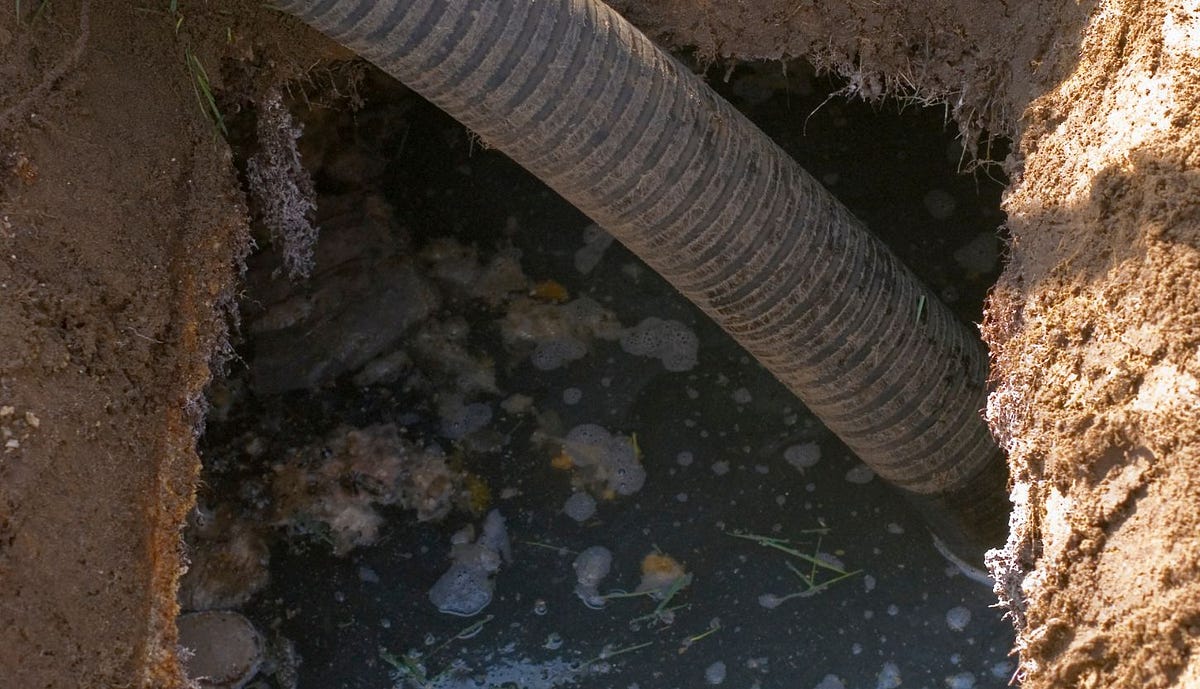
Causes of Foul Smells Around Your Septic Tank and How to Fix Them
A septic system is designed to safely and efficiently dispose of wastewater, but sometimes things go wrong. A foul smell near your septic tank is a telltale sign of a problem. This odor isn't just unpleasant; it's a warning that your system may not be functioning correctly. Understanding the causes and solutions to this issue will help you maintain a healthy and odor-free environment around your home.
Common Causes of Septic Tank Odors
Several factors can contribute to foul odors emanating from your septic tank. Here are some of the most common:
1. Full Septic Tank
The most frequent culprit is a full septic tank. When the tank fills beyond its capacity, solid waste overflows into the leach field, where it breaks down more slowly. This overflow can clog the drainage lines, causing sewage to back up and emit an offensive odor.
2. Clogged Drain Field
The leach field is where wastewater is treated and released back into the environment. Over time, this field can become clogged with debris, roots, or even soil compaction. When this happens, wastewater can't drain properly, causing it to back up into the tank and create a foul smell.
3. Improper Ventilation
Septic tanks require proper ventilation to release gases that build up during the decomposition process. If the vent stack is blocked, gases will be forced to escape through other openings, including the drain lines, leading to a noticeable odor.
4. Leaking Septic Tank or Pipes
Cracks or leaks in your septic tank or connecting pipes can release sewage directly into the surrounding soil, causing a strong and persistent odor.
5. Overuse or Improper Use
Excessive water use, especially for activities like laundry, dishwashing, and bathing, can overwhelm your septic system. Additionally, flushing inappropriate items down the toilet, such as grease, hair, or paper towels, can contribute to clogging and odor problems.
Solutions to Eliminate Septic Tank Odors
Once you've identified the source of the odor, you can take steps to rectify the issue. Here are some common solutions:
1. Pump Out the Septic Tank
If your tank is full, the most straightforward solution is to have it pumped out by a qualified professional. They will remove the accumulated waste and sludge, restoring proper function to your system.
2. Inspect and Repair the Drain Field
If the drain field is clogged, it may require professional cleaning and repair. This could involve removing obstructions, replacing damaged lines, or even installing a new drain field.
3. Check and Clear the Vent Stack
Ensure the vent stack is clear and unobstructed. Remove any debris or blockages, and if necessary, replace a damaged or rusted vent stack.
4. Repair Leaks
Leaky septic tanks and pipes should be repaired as soon as possible. If the damage is extensive, you may need to replace the entire tank.
5. Reduce Water Use and Avoid Flushing Inappropriate Items
Conserving water, using low-flow appliances, and taking shorter showers can lessen the load on your septic system. Additionally, avoid flushing non-biodegradable items, such as grease, hair, or paper towels, which can contribute to clogging and odor.
Preventive Measures
Taking proactive steps can help prevent foul odors from ever becoming a problem. Here are some preventive measures:
- Schedule regular septic tank pumping (every 3-5 years).
- Inspect the drain field and surrounding area for signs of damage or blockage.
- Avoid overloading your septic system with excessive water use or inappropriate items.
- Use septic tank additives that help break down waste and reduce odor.
By understanding the causes of foul smells around your septic tank and implementing the appropriate solutions, you can ensure a healthy and odor-free environment around your home. Remember that preventative maintenance is key to avoiding problems and ensuring the longevity of your septic system.
Comments
Post a Comment