New Septic Tank Installation and Odors: What’s Normal and What’s Not
A newly installed septic system should be a source of pride, offering a reliable and eco-friendly solution for wastewater management. However, the initial period after installation can be accompanied by some unusual occurrences, particularly concerning odors. While it's natural to expect some smells, knowing the difference between normal and abnormal can help you address any potential issues promptly. This comprehensive guide will shed light on the intricacies of a new septic system and the associated odors, empowering you to identify normal behaviors and seek professional assistance when necessary.
Understanding the Septic System
To grasp the origins of odors associated with a new septic system, it's essential to understand its basic components and functions:
Septic Tank
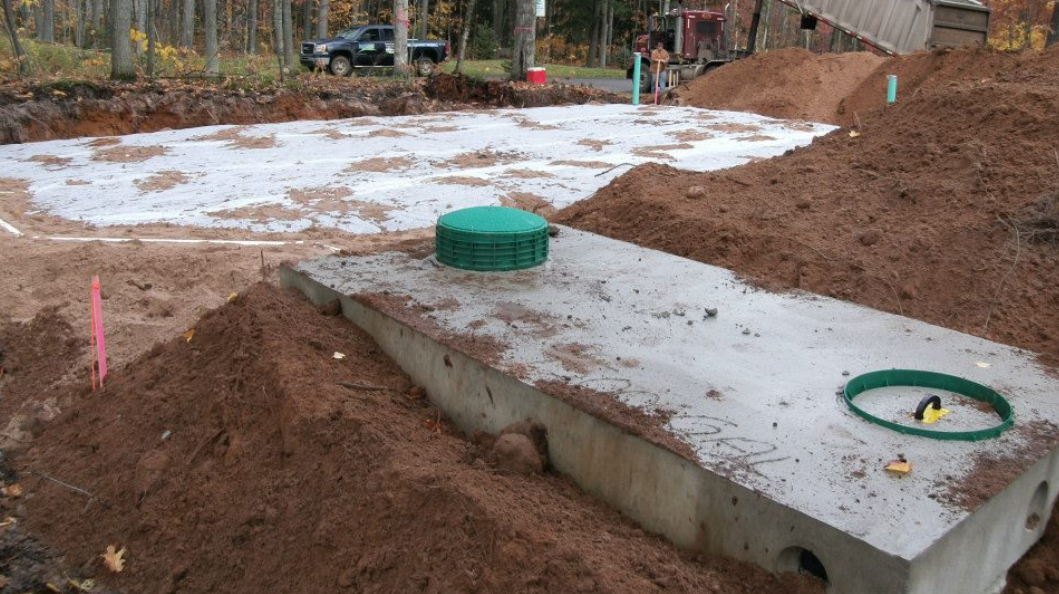
The septic tank is the heart of the system. Wastewater from your home enters the tank, where solids settle to the bottom, forming sludge, while lighter liquids (effluent) rise to the top. Anaerobic bacteria within the tank break down the waste, reducing its volume and creating biogas. This biogas is primarily methane and carbon dioxide, which can contribute to odors.
Drain Field
The effluent from the septic tank flows into the drain field, a network of underground trenches containing perforated pipes. These pipes distribute the effluent into the surrounding soil, where it is further filtered and treated by natural processes.
Inspection and Maintenance
Regular septic system inspections and maintenance are crucial for its proper functioning. Professional inspections allow for the removal of accumulated sludge and scum, preventing blockages and ensuring efficient breakdown of waste. These services also help identify potential issues early on, minimizing the risk of costly repairs.
Normal Odors After Septic Tank Installation
It's common to encounter some odors after a new septic system installation. These odors typically arise from the decomposition process within the septic tank and are usually temporary. Common normal odors include:
- Mild, Earthy Smell: This odor often resembles the scent of soil or compost, indicating the natural breakdown of organic matter in the tank. It is usually transient and subsides as the bacteria establish a healthy balance.
- Slight Sewage Smell: A faint smell of sewage, particularly in the immediate vicinity of the tank, is also expected. It results from the initial influx of waste and is generally not cause for alarm.
- Gas Smell: A faint gas smell, resembling natural gas, can occur due to the production of methane by the bacteria in the tank. It typically dissipates as the system stabilizes.
The intensity of these odors should gradually diminish over time, usually within a few weeks to a few months. However, it's important to note that the duration can vary based on several factors, including the size of the system, the volume of wastewater, and the surrounding soil conditions.
Abnormal Odors After Septic Tank Installation
While some odors are normal after a new installation, certain types of odors can signal underlying problems. These persistent or unusual odors require prompt attention to prevent potential damage to the system:
- Strong, Pungent Sewage Smell: A persistent and strong sewage odor, especially within your home or around the tank, can indicate a blockage or malfunction in the system. This smell could be due to a clog in the pipes, a leak in the tank, or an overloaded drain field.
- Rotten Egg Smell: A foul, rotten egg smell is usually an indicator of hydrogen sulfide gas, a byproduct of anaerobic bacterial activity. This odor often stems from the septic tank but can also result from a problem in the drain field, such as a blockage or inadequate drainage.
- Chemical Odor: A chemical odor, resembling chlorine or bleach, is not typical of a properly functioning septic system. It could be a sign of improper cleaning solutions used in the home, a leak in the septic tank, or a malfunction in the drain field.
If you notice any of these abnormal odors, it's crucial to contact a qualified septic system professional immediately. Ignoring such signs could lead to more severe issues, including system failure, environmental contamination, and costly repairs.
Tips for Minimizing Odors
While some odors are inevitable after a new septic tank installation, there are preventive measures you can take to minimize their intensity and duration:
- Use Proper Cleaning Products: Avoid using harsh chemicals, such as bleach and ammonia, in your home, as they can negatively impact the bacteria in the septic tank and contribute to odors. Opt for biodegradable and septic-safe cleaning solutions instead.
- Maintain Proper Water Usage: Excessive water usage can overwhelm the septic system, leading to poor drainage and increased odor production. Practice water conservation measures, such as taking shorter showers and fixing leaks promptly. Avoid dumping large volumes of water, such as from a washing machine or dishwasher, consecutively.
- Regularly Inspect and Maintain: Schedule regular inspections and maintenance for your septic system with a qualified professional. This proactive approach ensures optimal performance and minimizes the risk of malfunctions that can cause unpleasant odors.
- Properly Dispose of Fats, Oils, and Grease (FOG): Dispose of FOG by scraping it off dishes and disposing of it in the trash. Avoid pouring FOG down the drain, as it can solidify in the pipes and lead to blockages and odors.
- Avoid Flushing Non-Biodegradable Items: Don't flush items such as wipes, paper towels, and feminine hygiene products down the toilet, as they can contribute to blockages and odors. Only flush toilet paper and human waste.
- Consider Planting Odor-Absorbing Plants: Certain plants, such as lavender, rosemary, and mint, have a pleasant scent and can help absorb some of the odors emanating from the septic system. However, it's important to choose species suitable for your climate and soil conditions.
Conclusion
A new septic system installation is a significant investment, and understanding its normal behaviors is essential for its long-term health. While some odors are expected during the initial stabilization period, persistent or unusual odors are indicators of potential problems. Promptly addressing such issues with a qualified professional ensures the system's functionality and protects your property from costly repairs and environmental risks. By following the tips for minimizing odors and practicing responsible septic system maintenance, you can enjoy a clean and odor-free environment for years to come.
Comments
Post a Comment