How to Use Natural Septic Tank Cleaners for a Sustainable Home
In today's world, where environmental consciousness is paramount, it's essential to consider sustainable practices for every aspect of our lives, including our homes. One often overlooked area is septic system maintenance. Traditional chemical septic tank cleaners can have detrimental effects on the environment and the delicate balance of your system's bacteria. Thankfully, natural alternatives are readily available, providing effective cleaning and a more eco-friendly approach to septic tank care.
Understanding Septic Tank Systems
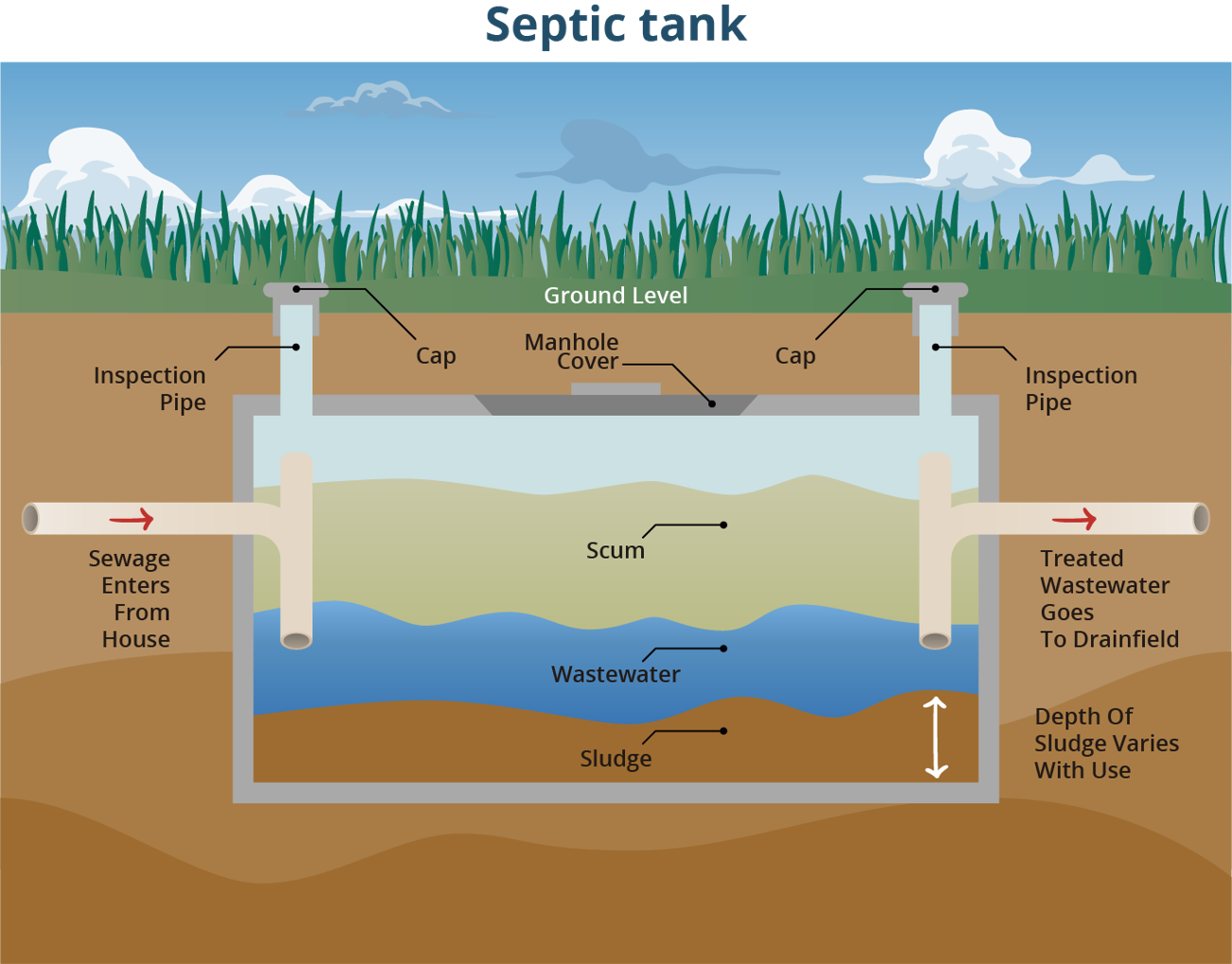
Before diving into natural cleaning methods, it's crucial to understand the fundamental workings of a septic system. A septic tank is a sealed underground container that houses a three-stage process for treating wastewater from your home:
- Solids Settlement: Wastewater enters the tank, where heavier solids settle to the bottom, forming a layer of sludge.
- Bacteria Decomposition: Anaerobic bacteria, naturally present in wastewater, break down organic materials in the sludge, converting them into simpler substances.
- Liquid Discharge: Lighter, partially treated wastewater flows out of the tank and into the leach field, where further filtration and absorption occur.
The effectiveness of this process depends on the healthy functioning of the bacteria colony within the tank. Chemical cleaners often disrupt this delicate ecosystem, negatively impacting the breakdown of solids and overall system efficiency.
The Harmful Effects of Traditional Septic Tank Cleaners
Traditional septic tank cleaners typically rely on harsh chemicals, such as:
- Chlorine: Can kill beneficial bacteria, hindering the natural decomposition process.
- Enzymes: Though sometimes marketed as "natural," these enzymes can be synthetic and disrupt the natural bacterial balance.
- Strong Acids and Bases: These substances can corrode tank components, potentially leading to leaks and costly repairs.
In addition to these immediate impacts, chemical cleaners can contribute to:
- Groundwater Contamination: Chemicals can leach into groundwater, posing risks to drinking water sources.
- Soil Degradation: Chemical runoff can damage soil health and disrupt plant growth.
- Environmental Pollution: These chemicals can end up in rivers, lakes, and oceans, harming aquatic life.
Natural Septic Tank Cleaners: An Eco-Friendly Approach
Natural septic tank cleaners offer a sustainable and environmentally responsible alternative. These cleaners utilize naturally occurring ingredients that promote healthy bacterial activity and maintain the integrity of your septic system.
Types of Natural Septic Tank Cleaners
Here are some popular and effective natural septic tank cleaning options:
- Yeast: Yeast provides a readily available food source for beneficial bacteria, encouraging their growth and activity. It aids in breaking down solids and improving overall system efficiency.
- Baking Soda: Baking soda acts as a natural deodorizer and helps to control unpleasant odors associated with septic tanks. It also has mild alkalizing properties that can promote bacterial activity.
- Vinegar: Vinegar's acidic nature helps to neutralize odor-causing bacteria and can break down minor clogs in the system's pipes. However, it's crucial to use vinegar sparingly to avoid disrupting the natural bacterial balance.
- Compost: Compost rich in organic matter, such as leaves, grass clippings, and food scraps, provides a source of nutrients for bacteria. It can be added to the septic tank periodically to enhance bacterial activity and promote decomposition.
DIY Septic Tank Cleaners
You can create your own natural septic tank cleaners using readily available ingredients:
Yeast and Baking Soda Solution
Ingredients:
- 1 cup of active dry yeast
- 1 cup of baking soda
Instructions:
- Mix the yeast and baking soda thoroughly.
- Pour the mixture into the septic tank through the toilet bowl.
- Flush the toilet to ensure the mixture is distributed evenly.
- Repeat this process every 3-6 months for optimal maintenance.
Vinegar and Baking Soda Solution
Ingredients:
- 1 cup of white vinegar
- 1 cup of baking soda
Instructions:
- Mix the vinegar and baking soda in a container, allowing the mixture to fizz and settle.
- Pour the solution into the septic tank through the toilet bowl.
- Flush the toilet to distribute the solution evenly.
- Use this solution sparingly, only when you notice unpleasant odors or minor clogs.
Best Practices for Septic System Maintenance
In addition to using natural cleaners, follow these best practices to ensure the longevity and efficiency of your septic system:
- Avoid Flushing Non-Biodegradable Items: Avoid flushing items like wipes, paper towels, cotton balls, and feminine hygiene products. These items can clog the system and hinder the natural decomposition process.
- Limit Grease and Oil Discharge: Grease and oil can solidify in the tank, forming a thick layer that inhibits bacterial activity. Minimize cooking grease and oil disposal down the drain.
- Be Mindful of Water Usage: Excessive water usage can overload the system, leading to backups and potential damage. Reduce water usage by taking shorter showers, fixing leaks, and using water-efficient appliances.
- Regular Inspections and Pumping: Schedule regular septic tank inspections and pumping services. A professional can assess the system's health, identify potential issues, and ensure proper functioning.
Conclusion
By embracing natural septic tank cleaners and adopting sustainable practices, you can contribute to a healthier environment and ensure the longevity of your septic system. Remember, maintaining a healthy septic system is a crucial part of responsible homeownership and plays a significant role in safeguarding our water resources and the overall well-being of our planet.
Comments
Post a Comment