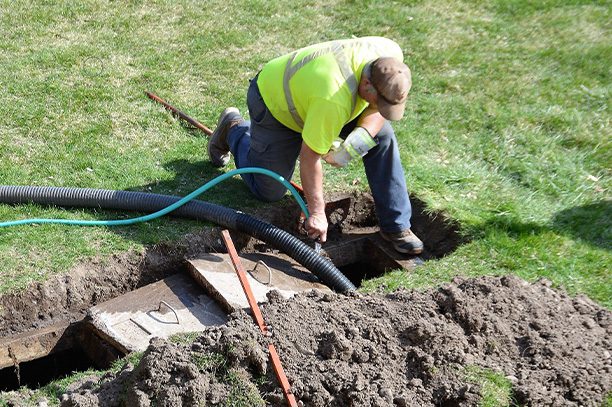
Combating the Unpleasant: A Comprehensive Guide to Eliminating Septic Tank Odors in the Home
The intrusion of septic tank odors into a home is not only unpleasant but can also indicate a serious underlying issue requiring immediate attention. The characteristic foul smell, often described as a combination of sewage and sulfur, can permeate the entire house, impacting the quality of life and potentially posing health risks. This article details a systematic approach to identifying the source of the odor, implementing effective mitigation strategies, and ultimately preventing its recurrence. It moves beyond simple solutions, delving into the complexities of septic system function and maintenance to offer a comprehensive understanding and lasting resolution.
Identifying the Source of the Odor: A Diagnostic Approach
Before embarking on any remediation efforts, pinpointing the origin of the septic odor is crucial. This necessitates a meticulous investigation, starting with a thorough inspection of the entire home. A methodical approach will ensure that the solution addresses the root cause, preventing wasted time and resources on ineffective measures.
Internal Investigations: Tracing the Scent
The first step involves carefully tracking the intensity and location of the odor. Does it emanate from specific rooms, or is it pervasive throughout the house? Is the smell stronger in certain areas, such as bathrooms, kitchens, or basements? Pay close attention to subtle variations in the intensity of the odor, as these can provide valuable clues to its origin. Note the times of day when the odor is most pronounced; this could correlate with water usage patterns and potentially highlight the problem's source.
External Examinations: Assessing the Septic System
Once internal investigations have been completed, attention must turn to the septic system itself. This involves a visual inspection of the tank and drain field, looking for any signs of damage or malfunction. Check for cracks or leaks in the tank, evidence of overflowing wastewater, or signs of soil saturation around the drain field. The presence of standing water, unusual vegetation growth, or a noticeably foul odor near the septic tank are all strong indicators of a problem.
Professional Assessment: Seeking Expert Opinion
In situations where the source of the odor remains elusive, or if the initial inspection reveals potential problems, it is prudent to seek the assistance of a qualified septic system professional. These professionals possess the expertise and specialized equipment necessary to thoroughly assess the system's functionality, identify any underlying issues, and recommend appropriate solutions. Their expertise will save time, prevent costly mistakes, and ensure the safety and longevity of the septic system.
Implementing Effective Mitigation Strategies
Once the source of the odor has been identified, appropriate mitigation strategies can be implemented. The approach will vary depending on the underlying problem, ranging from minor adjustments in household practices to extensive repairs or system upgrades.
Addressing Minor Issues: Simple Solutions
For minor issues, such as a slow drain or a slightly clogged vent pipe, simple solutions may suffice. These can include using drain cleaners (carefully following manufacturer instructions), ensuring proper ventilation in bathrooms and kitchens, and maintaining a regular schedule for septic tank pumping. The frequency of pumping will vary depending on tank size and household size, but generally, pumping every 3-5 years is recommended. Regular maintenance is key to preventing major problems from developing.
Tackling Major Problems: Comprehensive Repairs
More significant problems, such as cracks in the septic tank, a failing drain field, or a severely clogged vent pipe, require more extensive repairs. These repairs necessitate the expertise of a qualified septic system professional. They may involve excavation, tank repair or replacement, drain field reconstruction, or pipe replacement. It is essential to obtain multiple quotes before undertaking major repairs to ensure you receive fair pricing and quality workmanship.
Implementing Long-Term Preventative Measures
Once the immediate odor problem has been addressed, implementing long-term preventative measures is critical to preventing future occurrences. These measures include:
- Regular septic tank pumping: Schedule regular pumping according to your system's needs and the recommendations of your septic professional.
- Proper wastewater management: Avoid flushing inappropriate items down the toilet, such as sanitary products, grease, and excessive amounts of paper. Minimize the use of harsh chemicals that could damage the septic system's bacteria.
- Regular inspection and maintenance: Schedule annual inspections to identify any potential issues early on and prevent them from escalating into major problems.
- Proper landscaping around the drain field: Avoid planting trees or shrubs with deep roots near the drain field, as these could damage the pipes and compromise the system's functionality.
- Use of septic system additives: Consider using septic system additives designed to promote healthy bacterial activity and improve the system's overall efficiency. Always choose products that are specifically designed for septic systems and follow the manufacturer's instructions carefully.
Beyond the Immediate: Understanding Septic System Functionality
A deeper understanding of how a septic system works provides invaluable insight into preventing odor problems. A septic system consists of two main components: the septic tank and the drain field. The septic tank acts as a settling basin where solids settle to the bottom, and liquids slowly overflow into the drain field. Bacteria within the tank break down organic waste, reducing its volume and odor. The drain field, also known as a leach field, is a network of perforated pipes that allow the treated wastewater to slowly seep into the surrounding soil. Understanding this process helps in recognizing potential issues and implementing preventative measures.
The Importance of Bacterial Activity
The anaerobic bacteria within the septic tank are essential for breaking down organic waste. These bacteria thrive in a specific environment, and any disruption to this environment can negatively impact their activity, leading to an increase in odor and potential system malfunction. Factors such as excessive use of harsh chemicals, low water flow, or an overloaded system can all inhibit bacterial activity.
The Role of Proper Ventilation
Proper ventilation is crucial for the effective functioning of a septic system. Vent pipes allow gases produced during the decomposition process to escape, preventing the buildup of pressure and the release of unpleasant odors into the home. Clogged or damaged vent pipes can lead to a backup of gases, resulting in the infiltration of septic odors into the house. Regular inspection and maintenance of vent pipes are essential to prevent this problem.
Conclusion: A Proactive Approach to Septic System Management
Eliminating septic tank odors requires a multi-faceted approach that combines careful investigation, effective mitigation strategies, and a proactive stance towards septic system management. By understanding the underlying causes of these odors and implementing the preventative measures outlined in this article, homeowners can ensure a healthy, odor-free living environment. Regular maintenance, prompt attention to potential problems, and a willingness to seek professional assistance when needed are all vital in preserving the integrity of the septic system and preventing future occurrences of unpleasant odors.
Comments
Post a Comment